

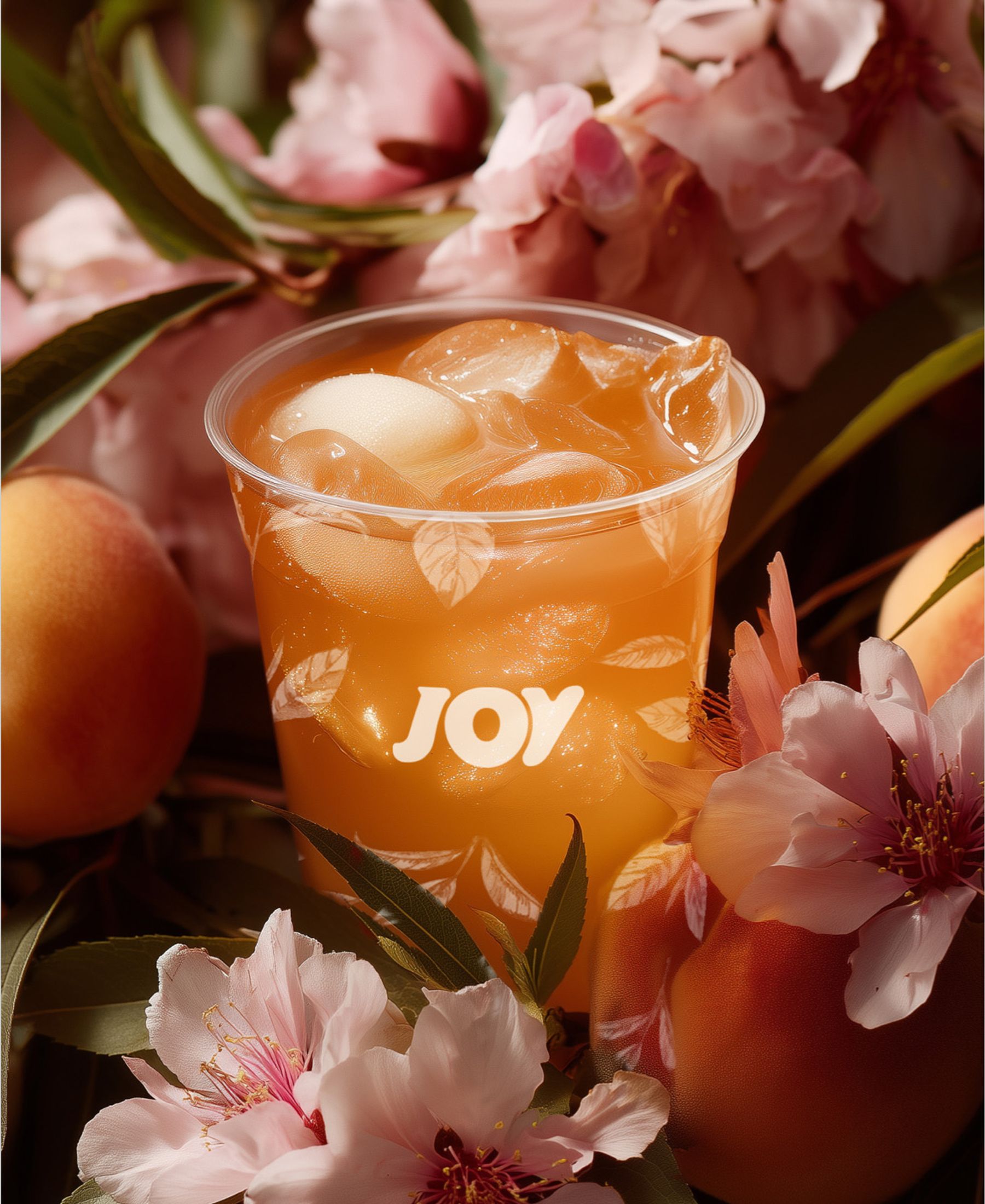
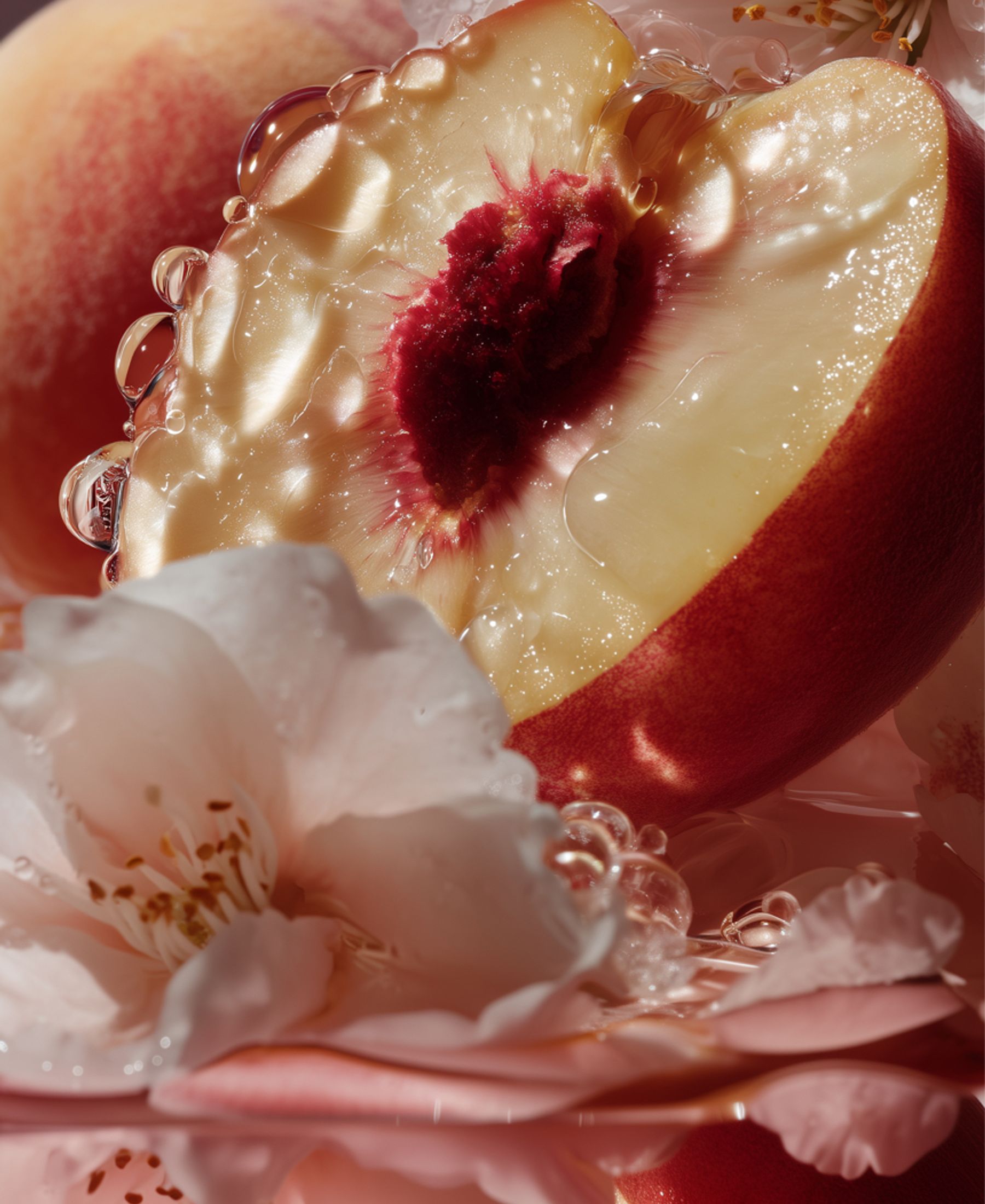
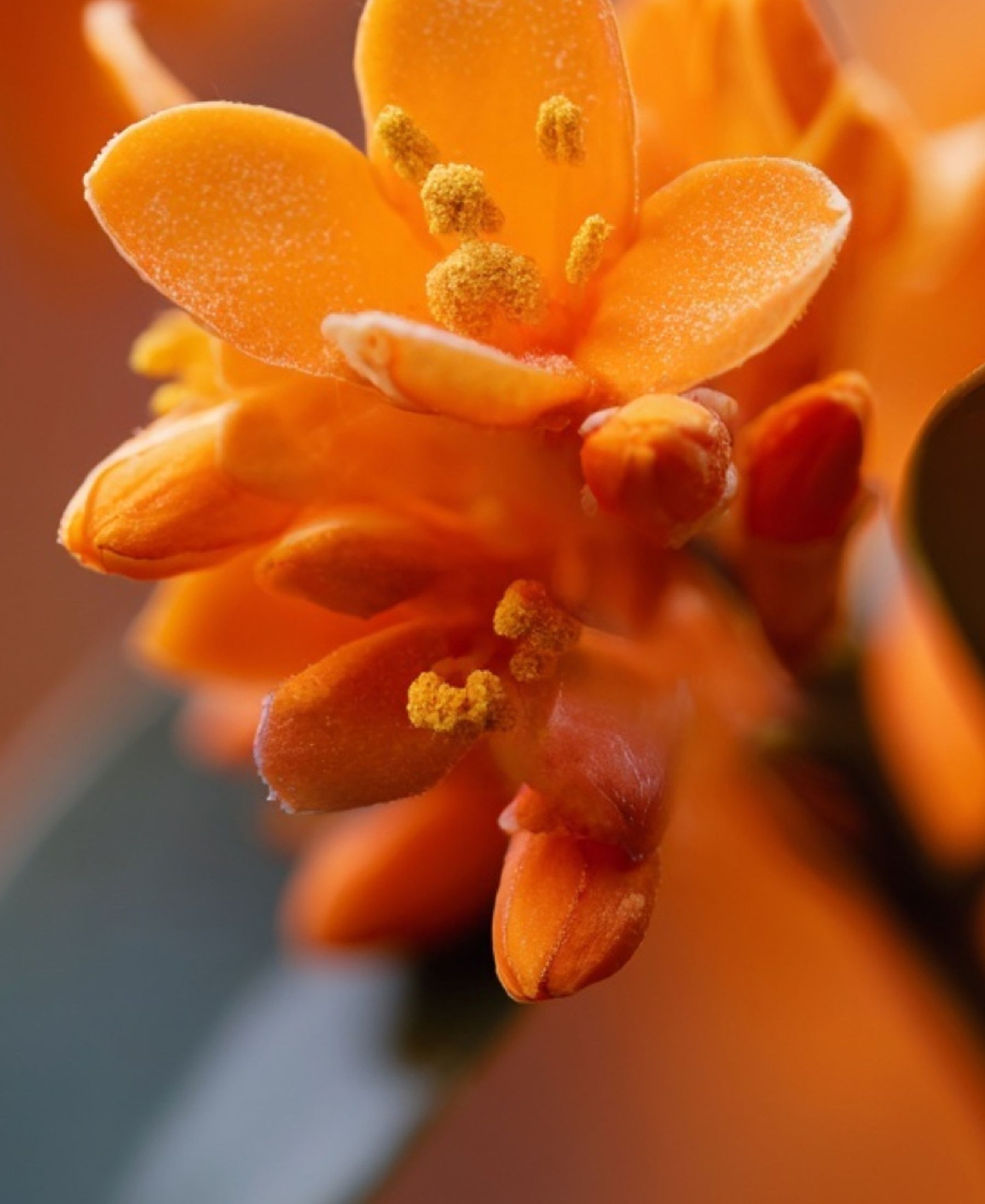
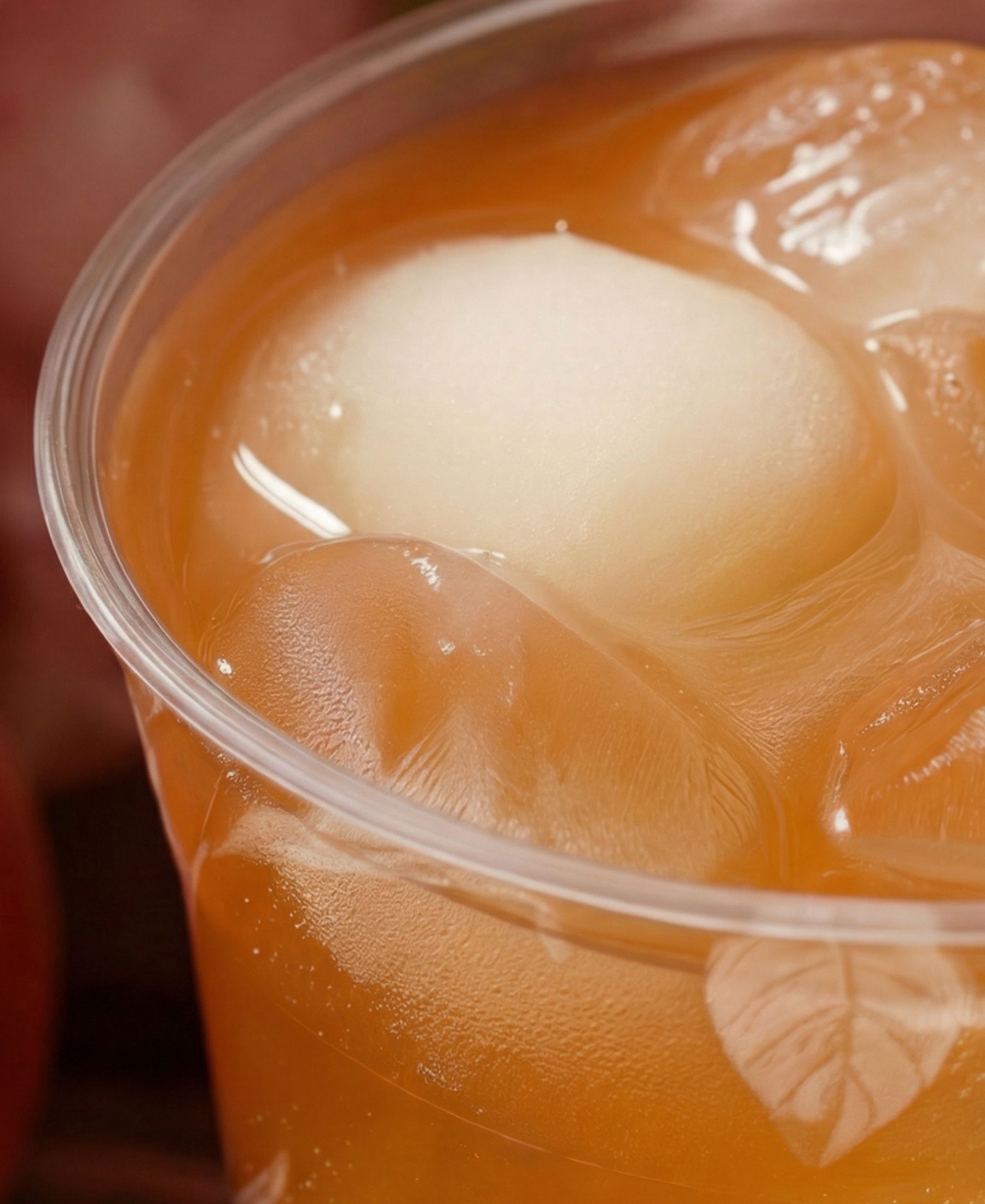
Osmanthus Oolong tea, Peach puree, Peach pulp, White peach Syrup, White peach scoops.
Make it yours
Cloud
7 choicesRecommended for this tea.
Sweetness
85 caloriesWe recommend Light. This drink starts at Subtle. Tell us at the counter and we’ll remember it for next time.
About the tea
Osmanthus flowers are prized for their intense peachy and apricot like aroma. A very delicate flower native to East Asia, these flowers are used to scent high altitude oolong tea.
The high altitude oolong comes from the mountains of Fujian China. A tea growing capital of China, Fujian is home to some of the most cherished and productive tea estates on earth. Oolong is known as blue tea, or a medium oxidized tea. Meaning it has been roasted ever so slightly, making it slightly less green than green tea. This light oxidization gives oolong a deeper more robust flavor, while preserving its fresh and bright notes.
Health benefits
Pure Energy
Caffeine + L-Theanine Synergistic
Broad Antioxidant Profile
EGCG, Polyphenols, Phytochemicals
lower Stress & Cortisol Reduction
L-Theanine + Aromatics Synergistic
Increased Alpha Brain Waves
L-Theanine, Aromatics eg: Linalool
Cardiovascular Support
Catechins + EGCG Synergistic
Metabolic Support
Caffeine + EGCG Synergistic
History & stories
Beneath the Osmanthus Tree
In classical legend, the moon goddess Chang’e lives in the Moon Palace beneath a massive osmanthus tree. During the Mid-Autumn Festival, people say its blossoms drift down to earth, filling the air with honeyed fragrance.
That’s why osmanthus became a symbol of reunion and quiet joy, and why scented teas were traditionally served during moon-viewing gatherings. Even today, 桂花茶 (osmanthus tea) is closely tied to this festival.
Capturing Autumn
In real history, prized osmanthus from Guilin was often paired with oolong teas from Fujian. Artisans learned to scent partially oxidized oolong with fresh blossoms, creating osmanthus oolong, a tea meant to capture autumn itself: floral on the nose, warm and robust underneath.